

🔬What Is Retatrutide peptide
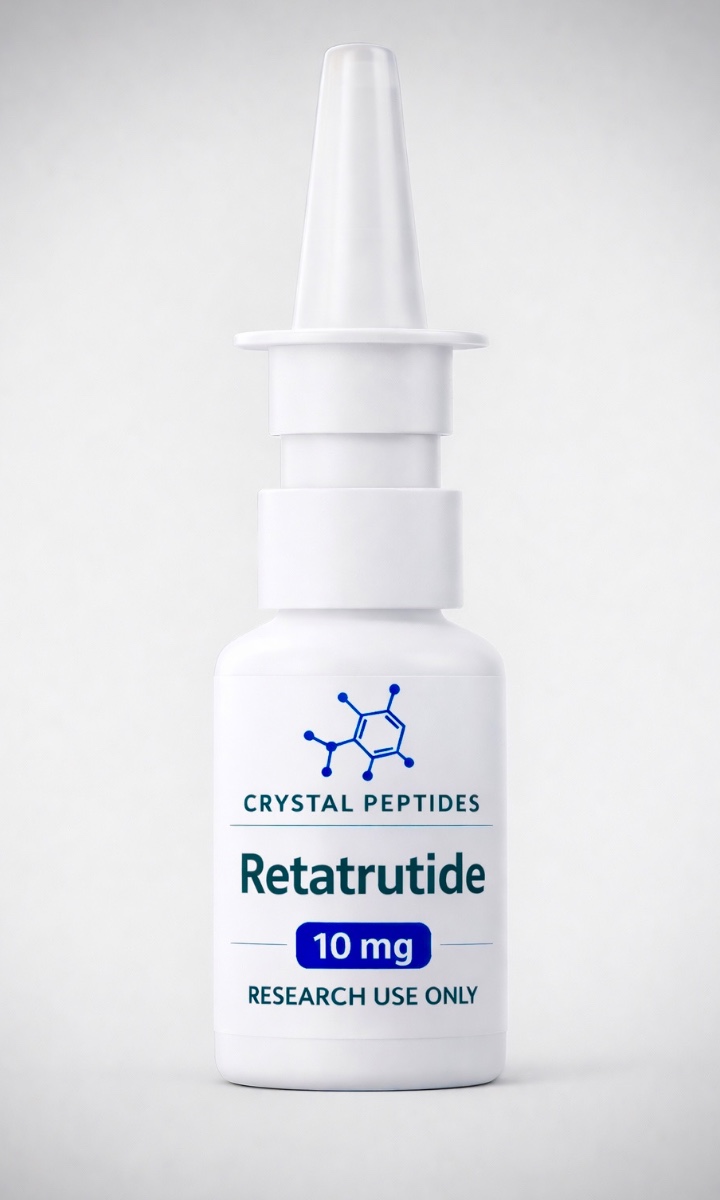
Retatrutide peptide (LY3437943) is a revolutionary triple-agonist peptide that simultaneously activates three metabolic hormone receptors: GLP-1 (Glucagon-Like Peptide-1), GIP (Glucose-dependent Insulinotropic Polypeptide), and glucagon receptors. This first-in-class triple mechanism represents the most advanced approach in metabolic peptide research. The addition of glucagon receptor agonism significantly enhances energy expenditure and hepatic fat oxidation compared to dual GIP/GLP-1 agonists. In the Phase 2 trial published in the New England Journal of Medicine (2023), participants receiving retatrutide peptide achieved an unprecedented mean weight loss of 24.2% at 48 weeks – the highest weight reduction ever reported for any anti-obesity agent. The glucagon component also uniquely drives thermogenesis and liver fat clearance, with some study participants showing complete resolution of liver steatosis.
📊Clinical Studies & Results
The latest clinical data on retatrutide come from the Phase 3 TRIUMPH-4 trial, completed in late 2025. The study evaluated the safety and efficacy of the therapy in individuals with obesity and knee osteoarthritis. The scientific rationale and design of the TRIUMPH clinical program are described in a peer-reviewed publication (PMID: 41090431). Earlier pivotal Phase 2 results demonstrating strong weight-loss effects were published in a major clinical study (PMID: 37366315).
- ▪68-week randomized, double-blind, placebo-controlled clinical trial
- ▪Participants with overweight or obesity and symptomatic knee osteoarthritis
- ▪Once-weekly administration
- ▪Average body-weight reduction of approximately 28–29%
- ▪Significant reduction in knee pain
Retatrutide peptide represents the next generation of incretin-based obesity treatments with unprecedented weight loss efficacy through triple receptor agonism.
🏆 Retatrutide peptide Benefits
- Enhanced thermogenesis and energy expenditure through glucagon receptor activation
- Superior liver fat reduction – Some subjects showed complete resolution of hepatic steatosis
- Significant HbA1c reduction in subjects with type 2 diabetes
- Improved cardiovascular risk markers – blood pressure, lipids, and inflammatory biomarkers
- Muscle-sparing fat loss – Research suggests preferential visceral and hepatic fat reduction
⚠️Possible Side Effects
- ▪Gastrointestinal effects are the primary observation – as a triple GIP/GLP-1/glucagon receptor agonist, nausea, diarrhea, and vomiting have been reported in phase 2 trials, with profiles similar to other incretin-based compounds
- ▪Decreased appetite is a central pharmacological effect rather than an adverse reaction – it contributes to the significant body weight reductions observed in clinical research
- ▪The glucagon receptor component may theoretically contribute to transient changes in hepatic glucose output – glucose monitoring is suggested in research protocols
- ▪Injection site reactions including mild erythema have been reported
- ▪As an investigational compound, long-term safety data is still emerging from ongoing clinical trials
🎯Ideal For
- →Cutting-edge metabolic research requiring maximum efficacy
- →Obesity and severe obesity studies
- →Liver fat and NASH/MAFLD research
- →Comparative studies vs dual-agonist and single-agonist peptides
- →Energy expenditure and thermogenesis research
- →Advanced body composition optimization studies
| Specification | Details |
|---|---|
| Product Name | Retatrutide |
| Synonyms | LY3437943 |
| Product Type | Triple Agonist Peptide |
| Molecular Formula | C221H342N46O68 |
| Molecular Weight | 4731.33 g/mol |
| CAS Number | 2381089-83-2 |
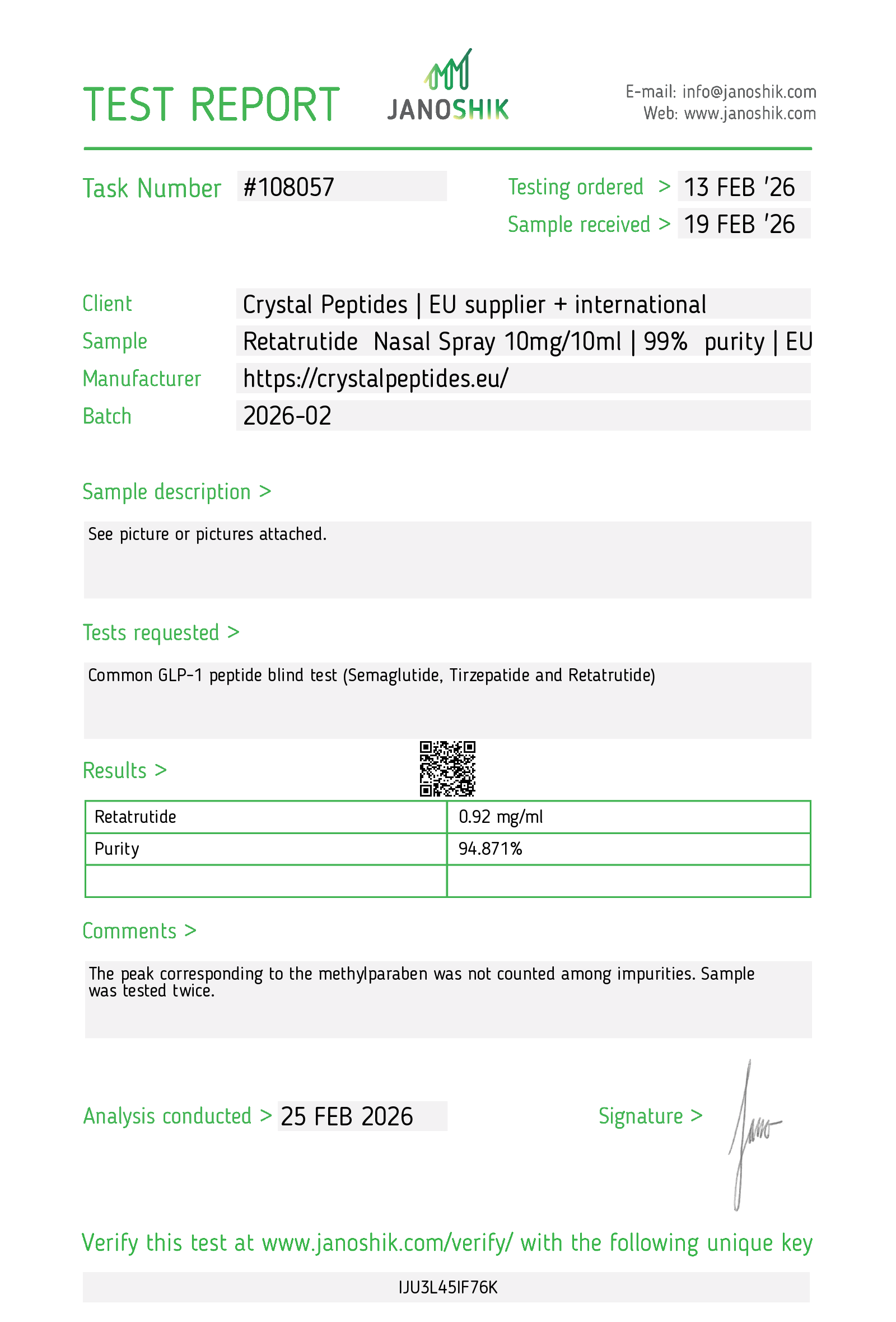
| Purity | ≥99% |
| Appearance | White lyophilized powder |
| Solubility | Soluble in bacteriostatic water |
| Storage | Store at -20°C |
| Intended Use | Research Use Only |

Reviews
There are no reviews yet.