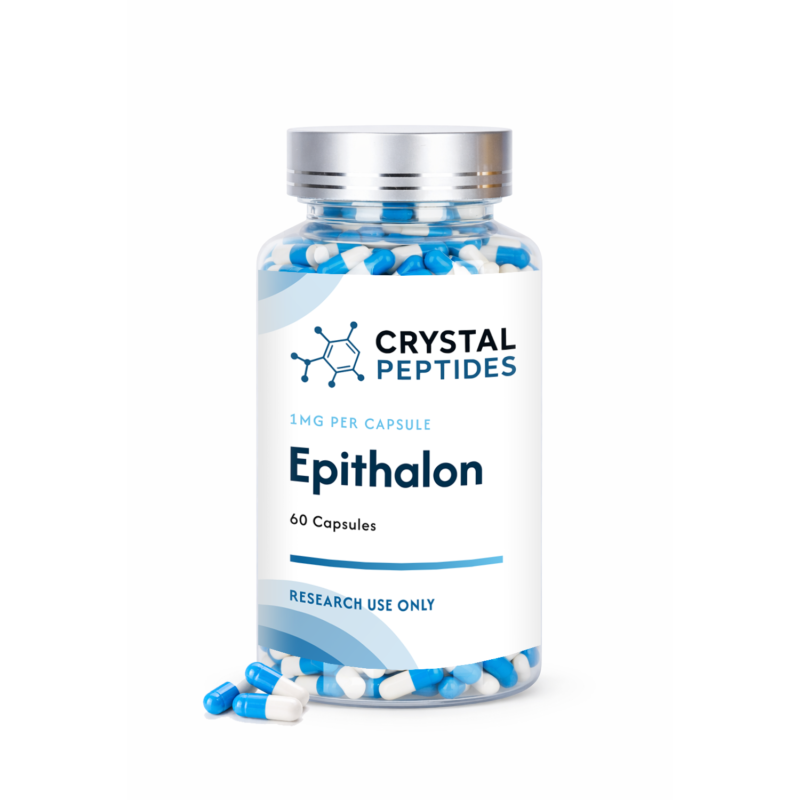
Longevity & Anti-Aging
Epithalon Peptide: Research, Mechanisms, and Longevity Science Explained
Epithalon Peptide: Complete Research Guide
Epithalon peptide has become one of the most recognized compounds within longevity and cellular aging research. Often discussed in connection with telomere biology, pineal gland function, and peptide bioregulators, Epithalon continues to attract attention from researchers exploring mechanisms associated with aging and cellular regulation.
Originally developed as a synthetic analog of epithalamin, Epithalon is a short tetrapeptide composed of four amino acids. Its research profile is unique because of its association with telomerase-related pathways and its potential relationship with cellular longevity mechanisms.
As interest in longevity science, peptide research, and bioregulator compounds continues to grow, Epithalon remains one of the most studied peptides within aging-related investigations.
Quick Overview of Epithalon Peptide
| Property | Details |
|---|---|
| Peptide Type | Synthetic Tetrapeptide |
| Amino Acid Sequence | Ala-Glu-Asp-Gly |
| Research Focus | Longevity and cellular aging |
| Common Research Areas | Telomerase activity, circadian rhythm, oxidative stress |
| Origin | Synthetic analog of epithalamin |
| Status | Research compound |
What Is Epithalon Peptide?
Epithalon is a synthetic peptide derived from epithalamin, a peptide complex associated with the pineal gland.
Researchers investigate Epithalon because of its potential involvement in:
- telomere biology
- cellular aging pathways
- oxidative stress regulation
- melatonin-related mechanisms
- gene expression research
Its relatively simple four-amino-acid structure has made it a notable compound within peptide bioregulator studies.
How Epithalon Peptide Works
One of the primary areas of Epithalon research involves telomerase activity.
Telomerase is an enzyme associated with maintaining telomere length. Telomeres are protective structures located at the ends of chromosomes that gradually shorten during cellular replication.
Researchers continue studying whether compounds such as Epithalon may influence pathways related to telomere maintenance and chromosomal stability.
Telomere Biology and Aging Research
L = L_0 – kn
In aging research models:
- (L) represents current telomere length
- (L_0) represents original telomere length
- (k) represents shortening rate
- (n) represents cellular divisions
Because telomere shortening is commonly associated with cellular aging, researchers continue exploring mechanisms that may affect telomere-related pathways.
Epithalon and Pineal Gland Research
The pineal gland plays a role in regulating circadian rhythms and melatonin production.
Research involving Epithalon frequently investigates:
- melatonin regulation
- circadian rhythm pathways
- neuroendocrine signaling
- age-related pineal gland changes
These areas have contributed to growing interest in Epithalon within longevity-focused scientific discussions.
Potential Areas of Epithalon Research
Longevity Research
One of the most recognized areas of investigation involves:
- cellular aging
- lifespan research models
- telomerase pathways
- biological aging markers
Oxidative Stress Research
Researchers also examine:
- antioxidant enzyme activity
- free radical regulation
- cellular stress responses
- DNA stability mechanisms
Circadian Rhythm Studies
Some investigations focus on:
- sleep-related pathways
- melatonin signaling
- pineal gland regulation
- biological clock mechanisms
Why Epithalon Is Often Called a Longevity Peptide
Epithalon is frequently grouped with longevity-focused compounds because of its association with:
- telomerase research
- cellular regulation
- peptide bioregulators
- aging biology
- pineal gland function
This has made it one of the most discussed peptides within anti-aging and longevity research communities.
Epithalon vs Other Research Peptides
| Peptide | Primary Research Focus |
| Epithalon | Longevity and telomerase pathways |
| GHK-Cu | Tissue and skin research |
| BPC-157 | Recovery-related pathways |
| Semax | Cognitive research |
| Selank | Stress-response pathways |
Unlike many recovery-focused peptides, Epithalon is primarily associated with cellular aging and longevity-related investigations.
Storage and Handling of Epithalon Peptide
Research-grade peptides are often supplied as lyophilized powders.
Laboratory handling commonly involves:
- refrigeration after reconstitution
- moisture protection
- avoiding repeated freeze-thaw cycles
- proper storage procedures
Maintaining peptide stability is important for preserving research consistency.
Why Interest in Epithalon Continues to Grow
Several trends have increased interest in Epithalon research:
- growth of longevity science
- biohacking discussions
- telomere biology research
- peptide bioregulator studies
- cellular aging investigations
As research into aging mechanisms expands, Epithalon continues to remain a central topic within peptide-focused longevity discussions.
Frequently Asked Questions
What is Epithalon peptide?
Epithalon is a synthetic tetrapeptide commonly studied for its potential relationship with telomerase activity, cellular aging pathways, and pineal gland regulation.
Is Epithalon the same as Epitalon?
Yes. The terms Epithalon and Epitalon are frequently used interchangeably in peptide research discussions.
Why is Epithalon associated with longevity research?
Its association with telomere biology and telomerase-related pathways has made it a major subject within longevity-focused investigations.
Is Epithalon FDA approved?
No. Epithalon is considered a research compound and is not approved for medical use.
What makes Epithalon unique?
Its connection to telomerase-related research distinguishes it from many other peptides commonly studied for recovery, cognition, or tissue-related pathways.
Final Thoughts
Epithalon peptide remains one of the most recognized compounds within longevity and cellular aging research. Its relationship with telomerase pathways, pineal gland function, and peptide bioregulator studies continues to make it a significant topic within modern peptide science.
As interest in aging biology and cellular regulation grows, Epithalon will likely remain an important focus within longevity-related research discussions.