Cognitive Enhancement
Semax and Selank: Research Mechanisms, Differences, and Nootropic Peptide Applications
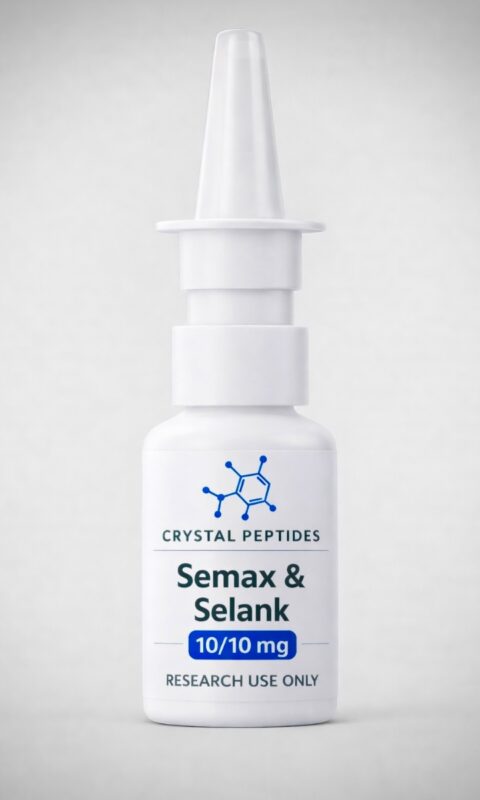
Semax and Selank: Understanding Two Popular Nootropic Research Peptides
Semax and Selank are two of the most widely discussed nootropic peptides in modern cognitive research. Both compounds originated from research programs focused on neurological function, stress-response pathways, and cognitive performance.
Because they are frequently studied together, researchers often compare Semax and Selank to better understand their individual mechanisms and potential complementary roles within cognitive and neuroregulatory research models.
Although both peptides are associated with nootropic research, their mechanisms and areas of investigation differ significantly.
Quick Overview
| Feature | Semax | Selank |
|---|---|---|
| Primary Research Area | Cognitive function | Stress-response regulation |
| Origin | ACTH-derived peptide | Tuftsin-derived peptide |
| Common Research Focus | Memory and learning pathways | Anxiety-related pathways |
| Nootropic Classification | Cognitive peptide | Anxiolytic peptide |
| Frequently Studied Together | Yes | Yes |
What Is Semax?
Semax is a synthetic peptide derived from adrenocorticotropic hormone (ACTH) fragments.
Research involving Semax has focused on:
- cognitive performance
- learning pathways
- memory-related mechanisms
- neurotrophic factor regulation
- neuroprotective research
One area of particular interest is Semax’s relationship with brain-derived neurotrophic factor (BDNF), which plays a role in neuronal growth and plasticity.
Researchers often investigate Semax because of its potential influence on neurological signaling pathways involved in cognitive processing.
What Is Selank?
Selank is a synthetic analog of tuftsin, an immune-regulating peptide.
Research involving Selank commonly explores:
- stress-response mechanisms
- anxiety-related pathways
- neurochemical regulation
- immune-neural interactions
- emotional processing systems
Unlike Semax, which is typically associated with cognitive enhancement research, Selank is more frequently studied in relation to stress adaptation and neuroregulatory balance.
How Semax and Selank Differ
The primary difference involves their research focus.
Semax Research Focus
Semax is commonly associated with:
- memory pathways
- learning mechanisms
- neuroplasticity
- cognitive performance
Selank Research Focus
Selank is commonly associated with:
- stress-response regulation
- anxiolytic research
- emotional balance pathways
- neurochemical modulation
This distinction is one reason researchers often study them together.
Why Researchers Combine Semax and Selank
Interest in combining Semax and Selank stems from their potentially complementary mechanisms.
Researchers exploring cognitive and neurological pathways sometimes investigate combinations because:
- Semax research focuses heavily on cognition
- Selank research focuses heavily on stress-related pathways
- both peptides are associated with neurological signaling systems
Theoretical research models often examine how cognitive performance and stress regulation may interact within broader neurological frameworks.
Mechanisms Under Investigation
Semax
Research suggests Semax may influence:
- BDNF pathways
- NGF signaling
- neurotransmitter regulation
- neuronal plasticity
Selank
Research suggests Selank may influence:
- GABA-related signaling
- serotonin-related pathways
- stress-response mechanisms
- immune-neural communication
Researchers continue exploring these mechanisms to better understand peptide-based neurological regulation.
Semax and Selank in Nootropic Research
The growing interest in nootropic peptides has increased attention around compounds associated with:
- cognitive function
- learning pathways
- memory systems
- mental performance research
- neurochemical regulation
Semax and Selank are often discussed together because they represent two distinct but related areas within nootropic peptide research.
Semax vs Selank
| Research Category | Semax | Selank |
| Cognitive Research | Strong focus | Moderate focus |
| Stress Regulation Research | Moderate | Strong focus |
| Neuroplasticity Research | Strong | Moderate |
| Anxiety-Related Research | Limited | Strong |
| Nootropic Research Popularity | High | High |
Neither peptide is considered universally superior.
Instead, researchers typically evaluate them based on the specific pathways being investigated.
Storage and Handling Considerations
Like many research peptides, Semax and Selank are commonly supplied as lyophilized powders.
Laboratory handling often involves:
- refrigerated storage
- protection from moisture
- minimizing temperature fluctuations
- proper reconstitution procedures
Maintaining peptide stability is important for preserving research consistency.
Why Semax and Selank Continue to Gain Attention
Several trends have increased interest in these compounds:
- growth of nootropic research
- cognitive optimization discussions
- neuroplasticity research
- stress-adaptation studies
- peptide-based neurological investigations
As interest in cognitive science expands, Semax and Selank remain among the most recognized compounds within peptide-focused nootropic research communities.
Frequently Asked Questions
Are Semax and Selank the same peptide?
No. They are distinct peptides with different origins and research focuses.
Why are Semax and Selank often discussed together?
Researchers frequently compare them because both are associated with neurological and cognitive research pathways.
Is Semax mainly studied for cognition?
Yes. Cognitive performance, memory pathways, and neuroplasticity are major areas of Semax research.
Is Selank mainly studied for stress-related pathways?
Many studies focus on Selank’s relationship with stress-response and neuroregulatory mechanisms.
Can Semax and Selank be researched together?
Researchers frequently investigate both peptides within broader neurological and nootropic research models.
Final Thoughts
Semax and Selank remain two of the most important peptides within modern nootropic research. While Semax is primarily associated with cognitive and neuroplasticity-related pathways, Selank is more commonly linked to stress-response and neuroregulatory research.
Their complementary research profiles continue to make them popular subjects within neurological, cognitive, and peptide-focused investigations.