
Longevity & Anti-Aging
Epithalon Peptide: Research, Mechanisms, and Longevity Applications
Epithalon Peptide: Complete Research Guide
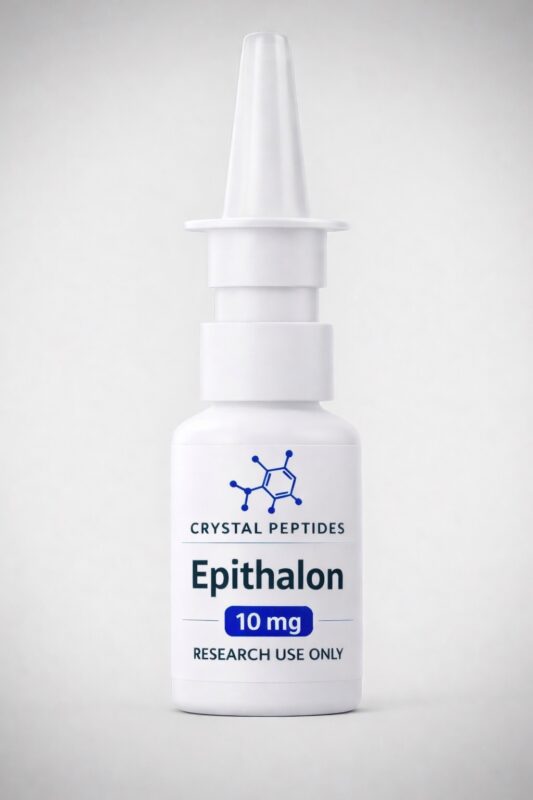
Epithalon, also known as Epitalon, is a synthetic tetrapeptide studied for its potential role in telomerase activation, cellular longevity, and pineal gland regulation. Interest in Epithalon research has expanded significantly within the longevity and biohacking communities because of its association with telomere biology and circadian rhythm regulation.
Researchers continue to investigate how Epithalon may influence cellular aging pathways, oxidative stress responses, and melatonin production. While additional large-scale clinical research is still needed, preclinical and experimental studies have made Epithalon one of the most discussed longevity-related peptides in modern peptide research.
Quick Overview of Epithalon
| Property | Details |
|---|---|
| Peptide Type | Synthetic Tetrapeptide |
| Amino Acid Sequence | Ala-Glu-Asp-Gly |
| Research Focus | Longevity & Cellular Aging |
| Common Research Areas | Telomerase activity, circadian rhythm, oxidative stress |
| Administration Studied | Subcutaneous research protocols |
| Status | Research compound only |
What Is Epithalon?
Epithalon is a synthetic analog derived from epithalamin, a naturally occurring peptide complex originally isolated from the pineal gland. The peptide consists of four amino acids and has been studied primarily for its interaction with telomerase-related pathways.
Telomeres are protective structures located at the ends of chromosomes. As cells divide over time, telomeres gradually shorten, which researchers associate with cellular aging. Epithalon research has focused heavily on whether the peptide may help influence telomerase activity and support telomere maintenance.
Several studies have also investigated its effects on melatonin secretion, antioxidant activity, and gene regulation associated with aging processes.
How Epithalon Works
The primary mechanism associated with Epithalon research involves telomerase activation.
Telomerase and Cellular Aging
Telomerase is an enzyme responsible for maintaining telomere length. Research models suggest that telomerase activation may support chromosomal stability and cellular replication processes.
L = L_0 – kn
In aging research models:
- (L) represents telomere length
- (L_0) represents initial telomere length
- (k) represents shortening rate
- (n) represents cell divisions
Researchers study compounds like Epithalon because telomere shortening is associated with age-related cellular decline.
Pineal Gland and Melatonin Regulation
Research also suggests Epithalon may influence pineal gland activity and melatonin secretion pathways. Some experimental findings indicate the peptide may support circadian rhythm regulation and antioxidant defenses.
Oxidative Stress Research
Oxidative stress is another major area connected to Epithalon studies. Researchers are exploring whether the peptide may affect antioxidant enzyme expression and cellular repair pathways involved in aging biology.
Potential Research Applications of Epithalon
Researchers continue to investigate Epithalon in several experimental areas:
Longevity Research
Epithalon is commonly studied in relation to:
- cellular aging
- telomerase pathways
- lifespan research models
- age-associated cellular decline
Sleep and Circadian Rhythm Research
Some studies focus on:
- melatonin regulation
- sleep cycle mechanisms
- pineal gland signaling pathways
Cellular Protection Research
Experimental work has also explored:
- oxidative stress reduction
- DNA stability pathways
- mitochondrial function
- antioxidant signaling
Epithalon vs Other Longevity Peptides
Compared to many research peptides, Epithalon is unique because of its heavy association with telomere biology.
| Peptide | Primary Research Focus |
| Epithalon | Telomerase & longevity |
| GHK-Cu | Skin & tissue repair |
| BPC-157 | Recovery & healing |
| Semax | Cognitive research |
| Selank | Stress-response research |
This distinction makes Epithalon particularly interesting within anti-aging and longevity-focused research communities.
Epithalon Storage and Stability
Proper peptide handling is important in laboratory settings.
Research-grade Epithalon is typically supplied as a lyophilized powder and commonly stored under refrigerated conditions after reconstitution. Researchers generally avoid repeated freeze-thaw cycles to preserve peptide stability.
Why Epithalon Has Gained Attention in Longevity Research
Interest in longevity science has increased rapidly in recent years, especially around:
- telomere biology
- cellular senescence
- mitochondrial function
- peptide bioregulators
- circadian rhythm research
Epithalon has become one of the most recognized peptides within these discussions because of its unique research profile and connection to aging-related pathways.
Research Limitations and Considerations
Although Epithalon has generated significant interest, researchers also note important limitations:
- limited Western clinical trials
- lack of FDA approval
- need for larger human studies
- variability in research methodologies
Most available studies remain experimental or preclinical in nature.
Frequently Asked Questions
What is Epithalon used for in research?
Epithalon is primarily studied for longevity-related pathways, telomerase activity, melatonin regulation, and cellular aging research.
Is Epithalon the same as Epitalon?
Yes. Epithalon and Epitalon are commonly used interchangeably in peptide research discussions.
What makes Epithalon unique?
Its primary distinction is its strong association with telomerase and telomere-related research.
Is Epithalon FDA approved?
No. Epithalon is considered a research compound and is not FDA-approved for medical use.
Final Thoughts
Epithalon remains one of the most discussed longevity-focused peptides in modern research communities. Its connection to telomerase activity, circadian biology, and cellular aging pathways continues to drive scientific interest and experimental investigation.
As peptide research expands, Epithalon will likely remain an important compound within discussions surrounding aging biology and peptide bioregulation.

Pingback: Epithalon Cost Guide: Pricing Factors, Quality & Research Considerations 1