
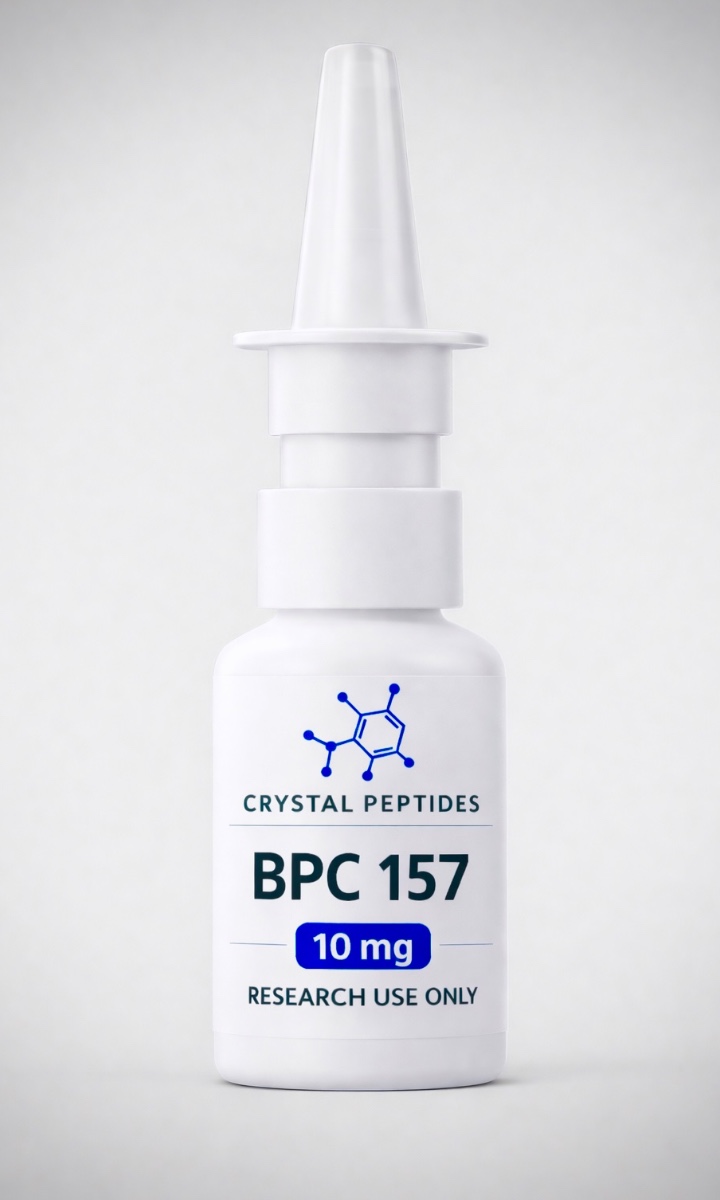
🔬What Is BPC 157
BPC-157 (Body Protection Compound-157) is a synthetic pentadecapeptide consisting of 15 amino acids, derived from a protective protein found naturally in human gastric juice. First isolated by researchers studying the cytoprotective mechanisms of gastric fluid, BPC-157 has demonstrated remarkable regenerative properties in over 100 preclinical studies. It works through multiple pathways including upregulation of VEGFR2 (vascular endothelial growth factor receptor), enhanced nitric oxide (NO) synthesis, and modulation of the FAK-paxillin signaling pathway, promoting angiogenesis and accelerating tissue repair. Research published in Current Pharmaceutical Design and the Journal of Physiology-Paris highlights its ability to counteract damage from NSAIDs, alcohol, and various toxic agents while promoting tendon-to-bone healing and nerve regeneration.
📊Clinical Studies & Results
BPC-157 has been investigated in over 100 preclinical studies, with several key publications demonstrating its regenerative mechanisms:
- ▪Accelerated Achilles tendon healing via upregulation of growth hormone receptor and FAK-paxillin pathway (Staresinic et al., J Orthop Res, 2003; PMID: 12727924)
- ▪Cytoprotective effects against NSAID-induced gastric lesions and reversal of intestinal anastomosis impairment (Sikiric et al., J Physiol Paris, 1999; PMID: 10574688)
- ▪Neuroprotective activity demonstrated through peripheral nerve regeneration and functional recovery after transection (Gjurasin et al., Regul Pept, 2005; PMID: 15927700)
- ▪Counteracted dopaminergic system damage induced by cuprizone neurotoxicity model (Sikiric et al., Curr Pharm Des, 2018; PMID: 29569987)
- ▪Promoted angiogenesis and accelerated wound healing through VEGFR2 upregulation and enhanced NO synthesis (Hsieh et al., Life Sci, 2017; PMID: 28676433)
While human clinical trials remain limited, the breadth of preclinical evidence across multiple organ systems makes BPC-157 one of the most extensively studied cytoprotective peptides in regenerative medicine.
🏆Benefits
- Accelerates musculoskeletal recovery – tendons, ligaments, muscles and bones heal significantly faster
- Protects and restores the GI tract – counteracts ulcers, leaky gut and NSAID-induced damage
- Supports peripheral nerve repair – promotes functional recovery after nerve injuries
- Enhances blood vessel formation – improves oxygen and nutrient delivery to damaged tissue
- Cytoprotective across organ systems – shields cells from alcohol, drug and toxin damage
⚠️Possible Side Effects
- ▪Generally well-tolerated in preclinical research – no lethal dose (LD1) was achieved in rodent toxicology studies, and pilot human IV infusion studies reported no adverse effects on heart, liver, kidney, or thyroid biomarkers
- ▪Theoretical pro-angiogenic activity – due to its mechanism of upregulating VEGF and promoting new blood vessel formation, researchers exercise caution in subjects with existing malignancies or active tumor processes
- ▪Mild, transient gastrointestinal discomfort (nausea) has been occasionally reported at higher research concentrations, particularly with oral administration
- ▪As a WADA-banned substance (S0 category since 2022), its use is prohibited in competitive sport contexts
🎯Ideal For
- →Recovery from sports injuries – tendons, ligaments, muscles and joints
- →Gut health restoration – leaky gut, IBS, ulcerative conditions
- →Post-surgical healing support and scar tissue reduction
- →Chronic pain and inflammation management
- →Nerve damage recovery and neuroprotective research
- →Combining with TB-500 for synergistic tissue repair effects
Be the first to review “BPC 157”
Related products
Nasal Spray Peptides
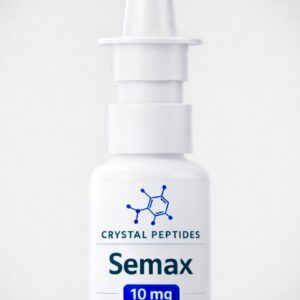
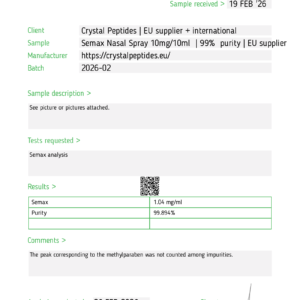
Nasal Spray Peptides
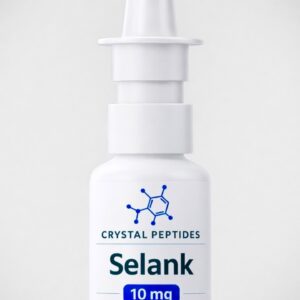
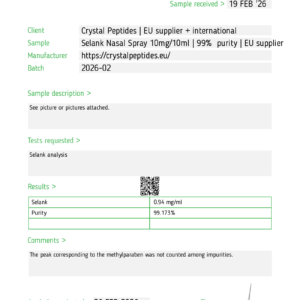
Nasal Spray Peptides
Nasal Spray Peptides
Nasal Spray Peptides
Nasal Spray Peptides
Nasal Spray Peptides
Reviews
There are no reviews yet.