



🔬What Is MOTS-c
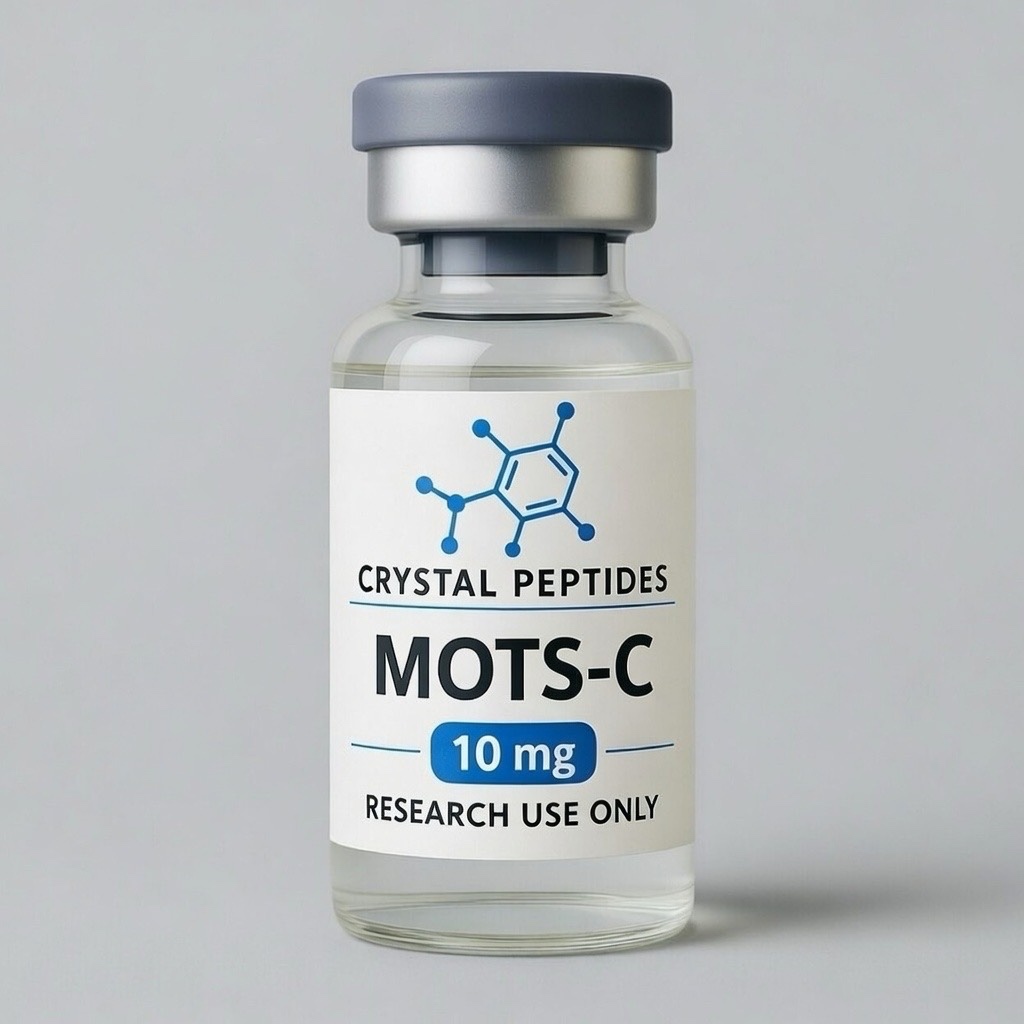
MOTS-c (Mitochondrial Open Reading Frame of the Twelve S rRNA type-c) is a mitochondrial-derived peptide consisting of 16 amino acids, encoded in the mitochondrial genome. Discovered in 2015 by Dr. Changhan David Lee at the University of Southern California, MOTS-c is one of the first identified mitochondrial-encoded signaling peptides that acts as a retrograde signal from mitochondria to the nucleus. Its primary mechanism involves activation of the AMPK (AMP-activated protein kinase) pathway and regulation of the folate-methionine cycle, which controls cellular metabolism. Published in Cell Metabolism, MOTS-c has been called an “exercise mimetic” because it activates many of the same metabolic pathways as physical exercise, including improved glucose uptake, fat oxidation, and mitochondrial biogenesis.
📊Clinical Studies & Results
MOTS-c is a mitochondrial-derived peptide (MDP) encoded within the 12S rRNA gene of mitochondrial DNA, functioning as a key metabolic regulator:
- ▪Identified as an exercise-induced mitochondrial-encoded regulator of age-dependent physical decline and muscle homeostasis (Reynolds et al., Nat Commun, 2021; PMID: 33446655)
- ▪Improved insulin sensitivity and glucose regulation in diet-induced obesity and aging models through AMPK pathway activation
- ▪Enhanced physical performance and endurance capacity in aged mice, reversing age-related decline in running endurance and grip strength
- ▪Translocated to the nucleus under metabolic stress to regulate adaptive nuclear gene expression, including genes related to the antioxidant response element (ARE) pathway
- ▪Endogenous MOTS-c levels decline with age and are inversely correlated with markers of metabolic dysfunction in human cohorts
- ▪Demonstrated anti-inflammatory effects by suppressing IL-6 and TNF-α in metabolically stressed conditions while preserving beneficial immune signaling
MOTS-c is a unique mitochondrial signaling peptide that bridges mitochondrial function, exercise physiology, and aging — positioning it as one of the most promising targets in longevity and metabolic health research.
🏆Benefits
- Exercise Mimetic – Replicates key metabolic adaptations of physical exercise at the cellular level
- Reverses Age-Related Physical Decline – Restored endurance and grip strength in aged animal models
- Improves Insulin Sensitivity – Activates AMPK pathway for enhanced glucose metabolism
- Mitochondrial-Nuclear Crosstalk – Unique ability to translocate to the nucleus and regulate gene expression
- Anti-Inflammatory Metabolic Effects – Suppresses pathological inflammation while preserving immune function
- Declines With Age – Supplementation may restore youthful mitochondrial signaling patterns
⚠️Possible Side Effects
- ▪Very well tolerated in research settings
- ▪Mild injection site reactions possible
- ▪Transient fatigue during initial dosing period
🎯Ideal For
- →Aging and longevity research targeting mitochondrial function
- →Metabolic syndrome and insulin resistance studies
- →Exercise mimetic research for sedentary or mobility-limited populations
- →Age-related physical decline and sarcopenia protocols
- →Combining with NAD+ precursors or SS-31 for mitochondrial optimization
- →Obesity and metabolic health improvement research
Be the first to review “MOTS-c”
Related products


Vial Peptides

Vial Peptides

Vial Peptides

Vial Peptides

Vial Peptides

Vial Peptides

Vial Peptides
Reviews
There are no reviews yet.