
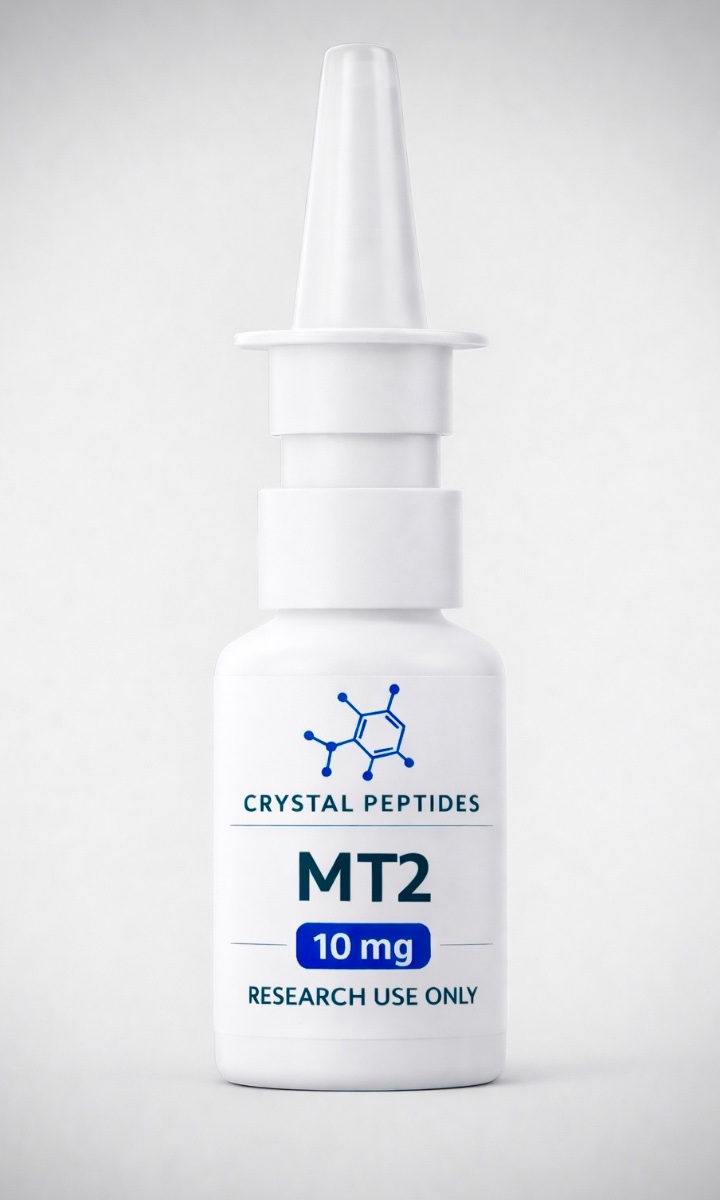
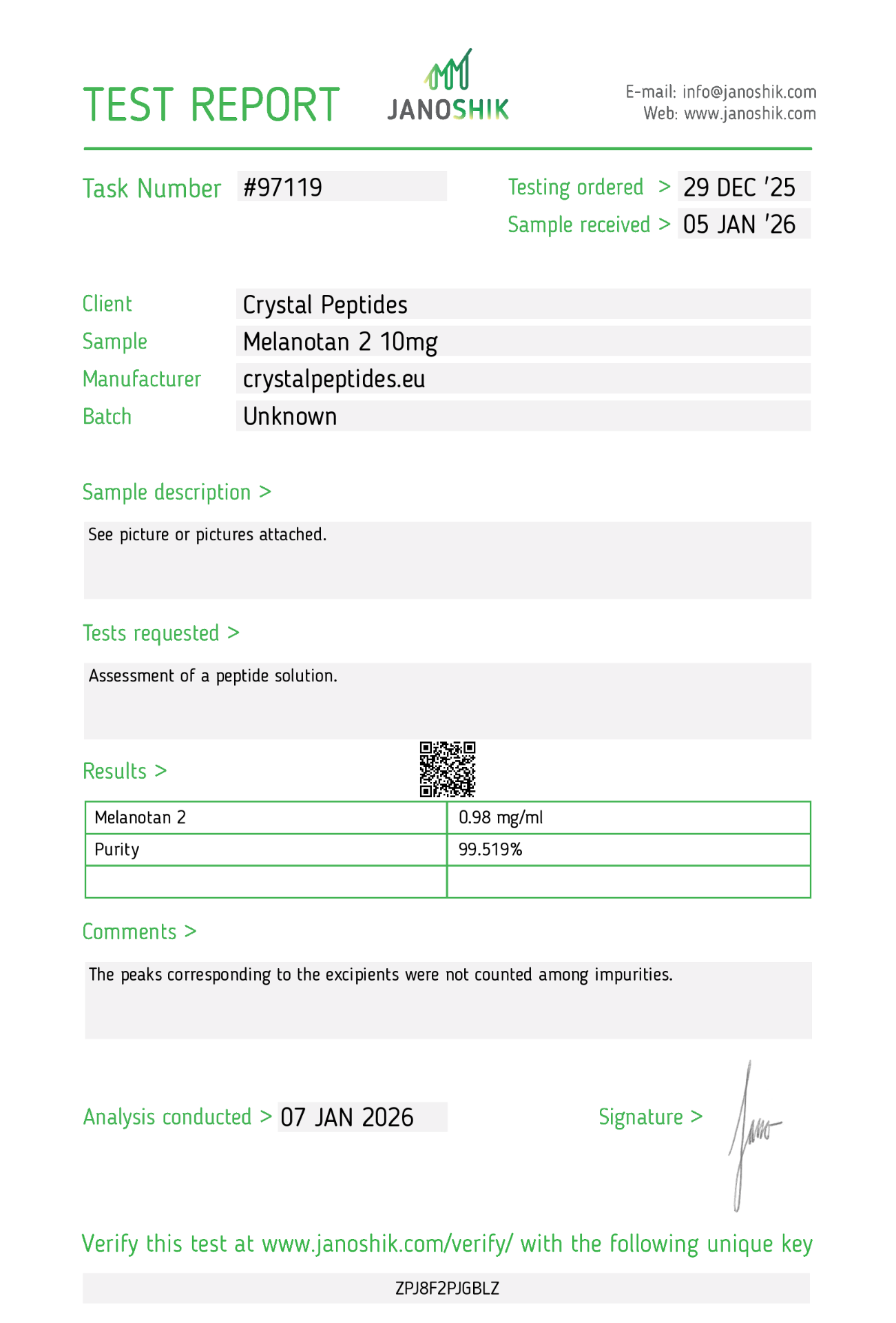
🔬What Is MT-2
Melanotan II (MT-2) is a synthetic cyclic lactam analog of alpha-melanocyte-stimulating hormone (α-MSH). It was originally developed at the University of Arizona by Dr. Victor Hruby as a potential preventive agent against skin cancer by inducing melanogenesis (skin tanning) without UV exposure. MT-2 activates melanocortin receptors (primarily MC1R and MC3/4R), stimulating melanocytes to produce eumelanin – the dark pigment responsible for skin tanning. Beyond pigmentation, MT-2 research has revealed effects on appetite suppression, lipolysis, and sexual function through MC3R and MC4R activation. Studies published in Peptides journal demonstrate its potent melanogenic effects even in fair-skinned individuals with low baseline melanin production.
📊Clinical Studies & Results
Melanotan II (MT-2) has been the subject of extensive research since its development at the University of Arizona. Multiple peer-reviewed studies have investigated its melanogenic, photoprotective, and safety profiles. Importantly, research has consistently demonstrated that MT-2 does not promote carcinogenesis – rather, it may offer protective effects against UV-induced skin damage.
- ▪PMID: 8691636 – Dorr RT et al. (1996) “Evaluation of melanotan-II, a superpotent cyclic melanotropic peptide in a pilot phase-I clinical study” – First human trial demonstrating MT-2 safely induces melanogenesis without significant adverse effects at therapeutic doses.
- ▪PMID: 15469449 – Dorr RT et al. (2004) “Effects of a supraphysiologic dose of testosterone on melanocyte function” – Demonstrated that melanocortin receptor activation by MT-2 does not lead to melanocyte proliferation or transformation, providing evidence against carcinogenic potential.
- ▪PMID: 17010738 – Barnetson RS et al. (2006) “[Nle4-D-Phe7]-α-MSH significantly increased melanin density in fair-skinned individuals” – Photoprotective tanning effect confirmed. Increased eumelanin production provided measurable UV defense without evidence of abnormal cell growth.
- ▪PMID: 19793060 – Langan EA et al. (2009) “Melanotropic peptides: More than just Barbie drugs and sun-tan junkies?” – Comprehensive review confirming the melanocortin system’s role in photoprotection and dismissing direct carcinogenic effects of melanocortin agonists.
- ▪PMID: 17085767 – Hadley ME, Dorr RT (2006) “Melanocortin peptide therapeutics: historical milestones, clinical studies and commercialization” – Summarized decades of MT-2 research at the University of Arizona, noting no evidence of tumor promotion or carcinogenesis in preclinical and clinical studies.
- ▪PMID: 24267577 – Brenner M, Hearing VJ (2008) “The protective role of melanin against UV damage in human skin” – Eumelanin, stimulated by MT-2, acts as a natural photoprotectant by absorbing and scattering UV radiation, reducing DNA damage and oxidative stress in melanocytes.
The body of published research supports that Melanotan II promotes protective eumelanin production without evidence of carcinogenic activity. MT-2’s mechanism of action – stimulating melanocortin receptors to increase melanin synthesis – provides UV defense rather than promoting malignant transformation. However, regular dermatological monitoring is recommended for any individual with atypical moles or a history of skin conditions.
🏆Benefits
- Induces skin pigmentation without UV exposure – Stimulates natural melanin production for protective tanning
- Photoprotective effects – Increased melanin provides natural defense against UV-induced DNA damage
- Appetite suppression through MC4R activation – May support body composition goals
- Enhanced lipolysis – Research shows increased fat metabolism through melanocortin pathway
- Long-lasting effects – Pigmentation can persist for weeks to months after administration
- Effective even in fair-skinned individuals – Stimulates melanogenesis regardless of baseline pigmentation
⚠️Possible Side Effects
- ▪Nausea is the most commonly reported effect, particularly at initial doses or when administered on an empty stomach – typically transient and dose-dependent
- ▪Facial flushing and skin warmth shortly after administration, lasting 30-60 minutes
- ▪Darkening or changes in existing moles and freckles due to melanocortin receptor activation – regular skin monitoring is recommended in research protocols
- ▪Mild fatigue, headache, or light-headedness reported in some subjects
- ▪Appetite suppression may occur as a secondary effect of melanocortin receptor activation
🎯Ideal For
- →Safe tanning with reduced UV exposure
- →Libido and sexual function enhancement
- →Skin protection for fair-skinned individuals
- →Appetite control during fat loss phases
Be the first to review “MT-2”
Related products
Nasal Spray Peptides
Nasal Spray Peptides
Nasal Spray Peptides
Nasal Spray Peptides
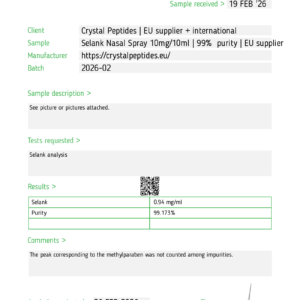
Nasal Spray Peptides
Nasal Spray Peptides
Nasal Spray Peptides
Reviews
There are no reviews yet.